
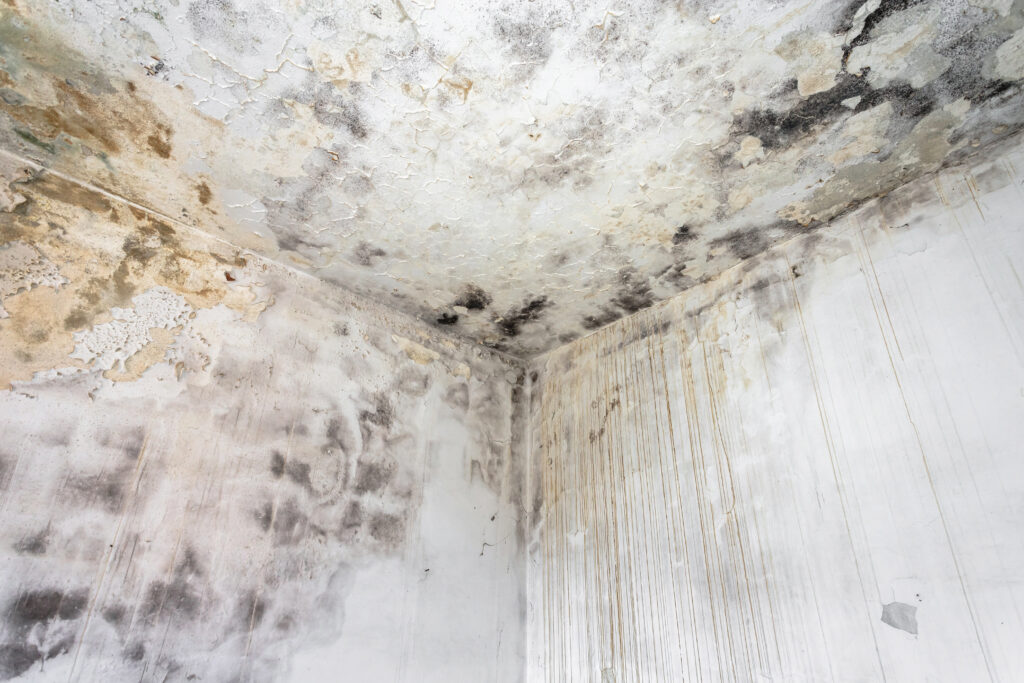
Mold isn’t always easy to find. Sometimes it’s visible on walls or ceilings, but it can also grow behind drywall, under flooring, or in other hidden areas. If left untreated, mold can spread quickly, affect your indoor air quality, and cause damage to your home.
Many homeowners use DIY mold test kits because they seem like a quick and affordable solution. However, these kits often don’t provide accurate results or identify the source of the problem. In this guide, CA Mold Inspection explains why professional mold inspection is more reliable than DIY testing, how it supports an effective mold remediation process, and why it’s the best way to protect your home and your family’s health.
Why Accurate Mold Testing Matters
Mold doesn’t just affect the appearance of your home; it can also impact your property’s structure and your family’s well-being. Because mold often grows behind walls, under flooring, or inside ceilings, surface-level testing rarely tells the whole story.
Professional testing helps identify:
- Hidden mold growth
- Airborne mold spores
- Moisture sources
- Areas requiring remediation
- Potential health risks
Accurate testing allows homeowners to take the right corrective action instead of guessing.
How DIY Mold Test Kits Work
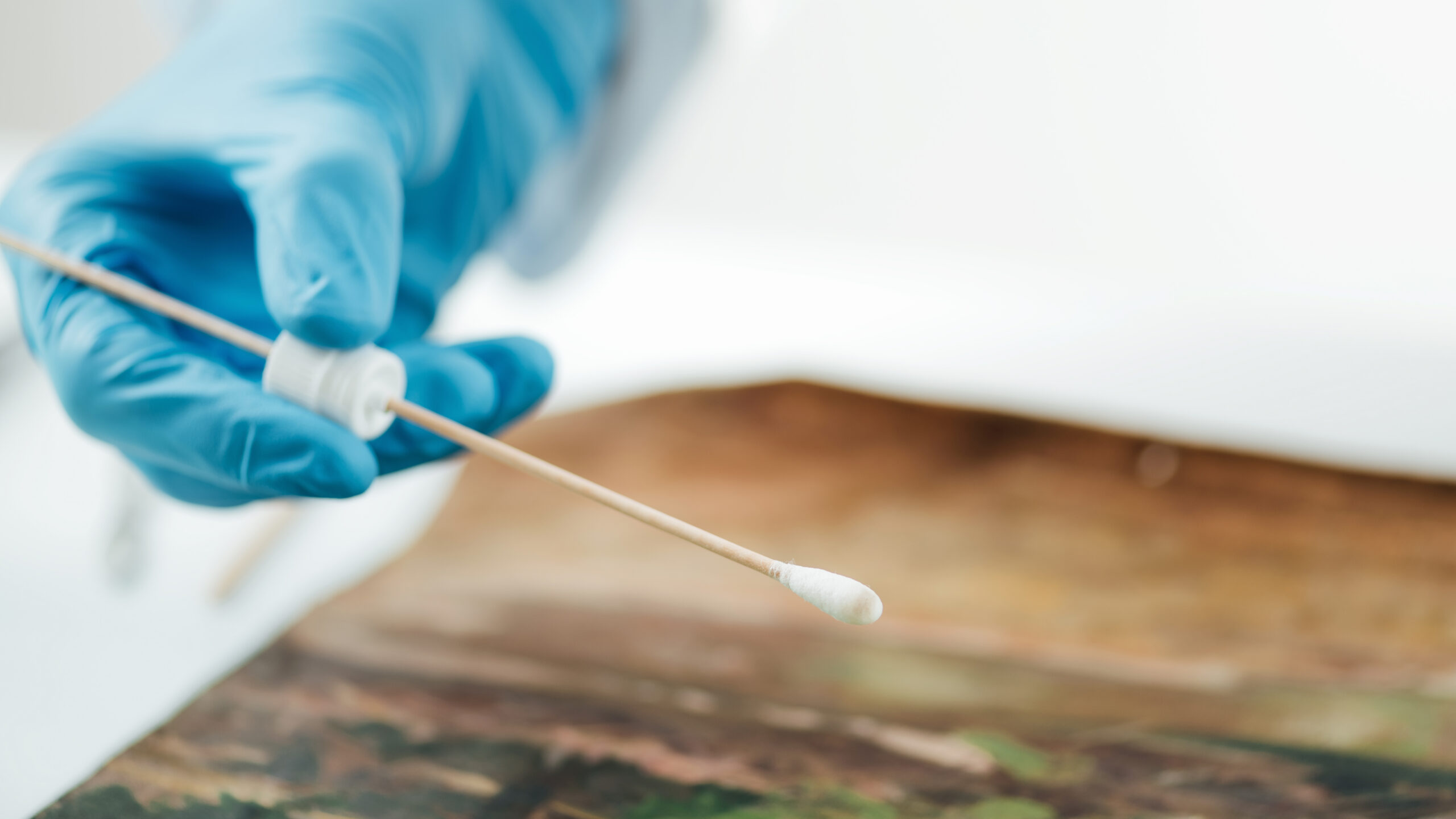
Most home testing kits rely on passive air collection. A petri dish is left open for a short period, allowing airborne particles to settle naturally.
If mold grows inside the dish, many homeowners assume they have a serious mold problem.
Unfortunately, that’s not always true.
Since mold spores naturally exist in indoor and outdoor environments, almost every test will grow some type of mold. The kit cannot determine whether the spore levels are normal or indicate a hidden infestation.
DIY Mold Testing vs Professional Mold Testing
| Feature | DIY Mold Test Kit | Professional Mold Testing |
| Detects airborne spores | Limited | Yes |
| Identifies hidden mold | No | Yes |
| Measures mold concentration | No | Yes |
| Detects moisture problems | No | Yes |
| Laboratory analysis | Limited | Accredited laboratory |
| Accurate recommendations | No | Yes |
| Supports remediation planning | No | Yes |
This comparison highlights why professional testing provides far more reliable information than home testing kits.
Common Problems with DIY Mold Testing
False Positive Results
One of the biggest problems with DIY kits is false positives.
Because mold spores naturally circulate in the air, collecting spores doesn’t necessarily mean your home has a mold infestation. The test confirms what already exists naturally in the environment.
Without professional interpretation, homeowners may spend unnecessary money or worry about a problem that doesn’t actually exist.
No Information About Hidden Mold
DIY kits only test the air or surface at the point of collection.
They cannot detect mold growing:
- Behind drywall
- Under flooring
- Inside insulation
- Around plumbing leaks
- Inside HVAC systems
These hidden areas are often where serious mold problems begin.
No Moisture Detection
Mold cannot grow without moisture.
A DIY kit tells you nothing about why mold developed in the first place. Without identifying the moisture source, mold is likely to return even after cleaning.
Professional inspectors evaluate moisture control issues that contribute to mold growth, helping homeowners prevent future infestations.
How Professional Mold Testing Works
Certified mold inspectors use specialized equipment designed to produce accurate, science-based results.
The inspection typically includes:
Visual Inspection
The inspector evaluates visible mold, water damage, ventilation issues, and other conditions that encourage mold growth.
Air Sampling
Air samples are collected using calibrated pumps that measure airborne mold spores.
Instead of simply confirming mold exists, professionals compare indoor samples with outdoor samples to determine whether spore levels are abnormal.
This information also helps assess your home’s indoor air quality.
Moisture Detection
Using moisture meters and infrared thermal cameras, inspectors identify hidden water intrusion behind walls, ceilings, and flooring.
Finding the moisture source is one of the most important steps before beginning any mold remediation process in Los Angeles, CA.
Laboratory Analysis
Collected samples are sent to accredited laboratories where specialists identify the mold species and spore concentrations.
This detailed analysis helps determine the severity of contamination and the appropriate remediation strategy.
Why Professional Testing Leads to Better Mold Remediation
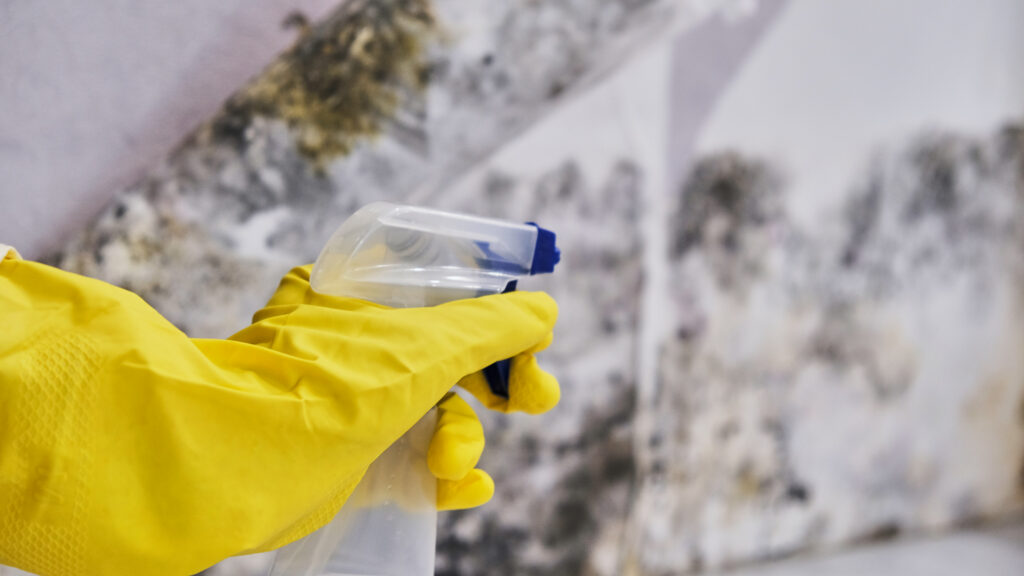
Professional testing does more than identify mold; it provides the information needed to develop an effective treatment plan.
Accurate testing helps professionals:
- Locate hidden mold
- Identify moisture sources
- Determine contamination levels
- Protect unaffected areas
- Recommend appropriate remediation methods
Without proper testing, homeowners risk treating only visible mold while leaving the underlying problem unresolved.
Benefits of Professional Mold Inspection
Hiring experienced professionals offers several advantages:
Accurate Results
Advanced equipment provides precise measurements instead of assumptions.
Better Indoor Air Quality
Air testing identifies elevated mold spore levels that may affect your family’s health.
Early Problem Detection
Finding hidden mold early helps prevent expensive structural repairs.
Effective Moisture Control
Professionals identify leaks and humidity issues that contribute to recurring mold growth.
Supports Successful Mold Remediation
Testing provides the information needed to complete the mold remediation process correctly the first time.
When Should You Schedule Professional Mold Testing?
Consider scheduling a professional inspection if you notice:
- Persistent musty odors
- Water damage
- Visible mold growth
- Allergy symptoms indoors
- Recent flooding
- Roof or plumbing leaks
- Mold returning after cleaning
Early detection often prevents larger and more expensive problems later.
Conclusion
While DIY mold kits may appear convenient, they rarely provide the complete picture. They cannot accurately measure mold concentrations, identify hidden contamination, or locate the moisture source responsible for mold growth.
Professional mold inspection combines advanced testing equipment, laboratory analysis, and moisture detection to deliver accurate results that support effective mold remediation. By identifying both the mold and its underlying cause, professionals help homeowners protect their property, improve indoor air quality, and reduce the risk of recurring infestations.
When your family’s health and your home’s condition are at stake, professional mold testing is the most reliable first step.
FAQs
Why do DIY mold test kits often show mold growth?
Mold spores naturally exist indoors and outdoors, so DIY kits frequently collect spores even when there isn’t an active mold problem. This can lead to misleading or false-positive results.
What can professional mold testing detect that DIY kits cannot?
Professional testing identifies airborne spore levels, hidden mold growth, moisture problems, and contamination sources while providing laboratory-confirmed results.
Why is moisture control important during mold remediation?
Without proper moisture control, mold can return even after cleaning. Eliminating the moisture source is essential for long-term mold prevention.
How long does a professional mold inspection take?
Most residential inspections take between one and two hours, depending on the size of the property and the extent of the suspected mold problem.
Is mold testing necessary before mold remediation?
Yes. Professional testing helps determine the location, severity, and type of mold, allowing contractors to create an effective and targeted mold remediation process.