
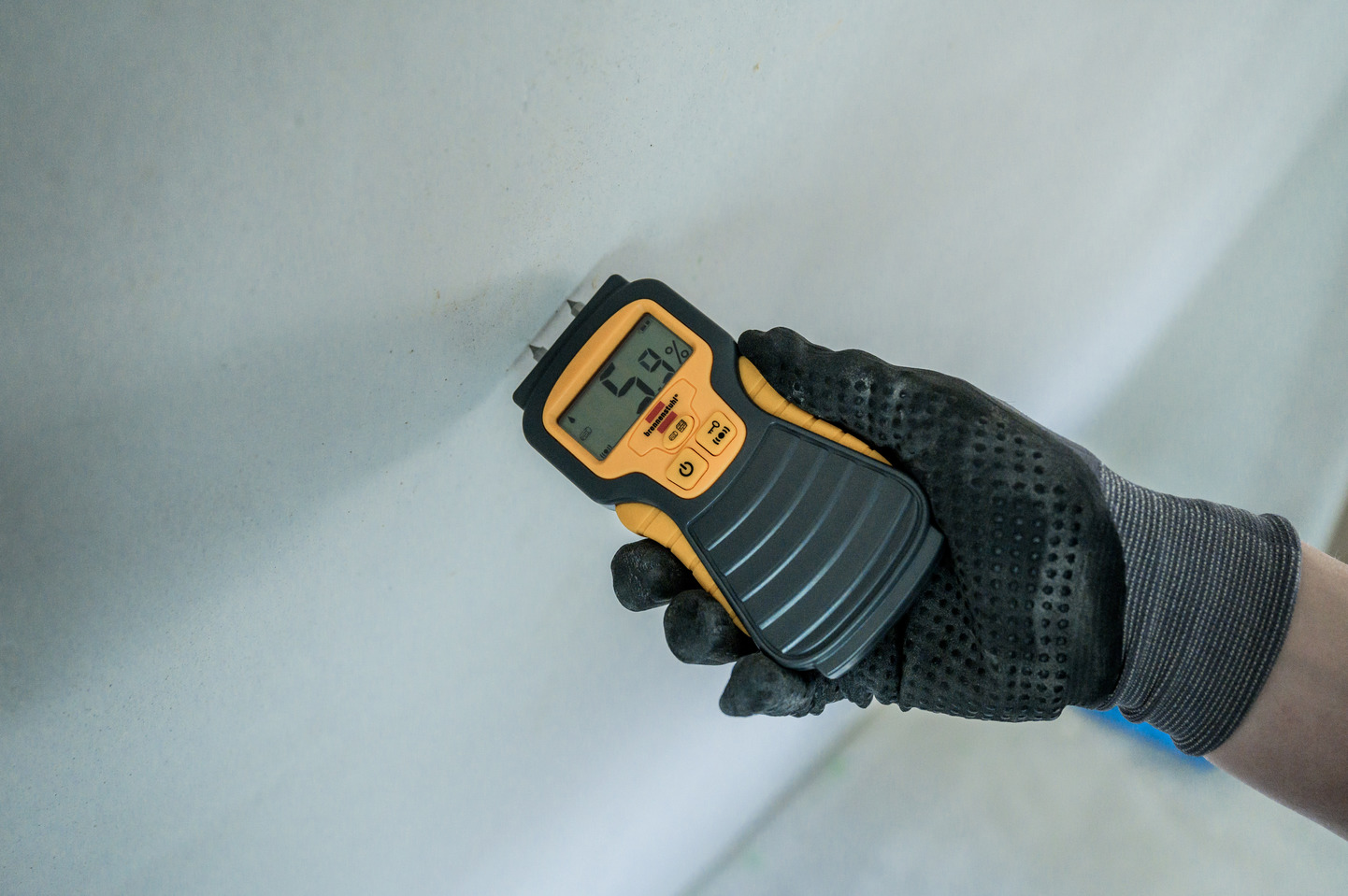
It can be stressful to find a hidden water leak. A lot of people feel that in order to find the problem, walls or floors have to be broken. Fortunately, today the process is much easier thanks to moisture detection. It can help identify areas affected by hidden water without immediately damaging your home. CA Mold Inspection is committed to utilizing the correct technology that can save time, reduce unnecessary repair costs, and safeguard your property. If water leaks occur unexpectedly, understanding how modern inspection methods work can make it easier to locate the problem and decide what action is needed.
Today’s inspection methods rely on specialized tools to identify unusual moisture conditions without immediately breaking walls or floors. A professional moisture inspection can combine moisture meters, thermal imaging, visual observations, and other readings to identify areas that may contain hidden water. These methods help narrow down where a leak or moisture problem may be located while reducing unnecessary damage to the property.
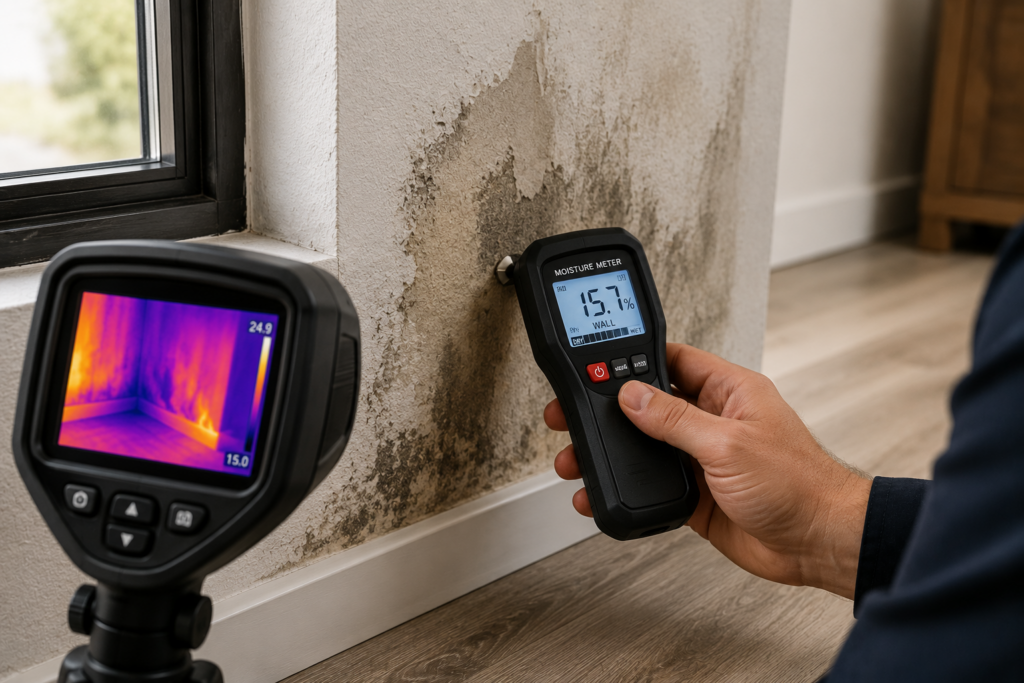
Moisture Meters Check Hidden Damp Areas
A moisture meter measures the moisture content of materials such as drywall, wood, and other building components. Higher-than-expected readings can help professionals identify areas that require closer examination. This type of water leak detection can help narrow down the affected location without requiring large sections of walls or floors to be removed. Moisture meters are commonly used during building investigations to identify wet areas and monitor drying progress.
Thermal Cameras Show Temperature Changes
Thermal cameras identify temperature differences across surfaces that may indicate an area affected by moisture. Water can change the thermal characteristics of building materials, creating patterns that differ from surrounding dry areas. However, thermal imaging does not directly prove that water is present, so professionals typically compare thermal patterns with other inspection findings before confirming a suspected leak.
Infrared Technology Detects Water Lines
Infrared technology can provide useful information about temperature variations across walls, floors, and ceilings. When a professional sees an unusual pattern, the area can be examined more closely with other equipment. This approach can help narrow the suspected location before repairs are considered, reducing the need for unnecessary demolition.
Humidities are used to detect water
Leaks can release water into surrounding materials and may contribute to higher humidity in enclosed areas. A Dampness inspection can include humidity measurements to help determine whether an environment has unusual moisture conditions. EPA guidance notes that humidity meters can be useful for monitoring indoor humidity, while keeping indoor relative humidity below 60% can help with moisture and mold control.
Surface Scanning Detects Moisture Safely
Surface scanning allows professionals to examine larger areas without immediately removing materials. During wall moisture detection, technicians can compare readings across different sections of a wall to identify unusual moisture patterns. This makes it easier to focus additional testing on areas that show abnormal readings rather than opening large sections of the property without evidence.
Visual Inspection Supports The Technology
Technology works best when combined with careful visual inspection. Professionals may look for staining, peeling paint, damaged materials, condensation, visible water, or other signs that can support the readings produced by inspection equipment. Combining visual evidence with instrument readings provides a more complete understanding of the suspected moisture problem.
Different Tools Confirm The Exact Leak
No single inspection method should automatically be treated as proof of a hidden leak. Professionals can compare readings from multiple tools and observations before deciding where further investigation is needed. This approach helps distinguish possible moisture problems from other causes of temperature or material changes and can limit unnecessary repairs.
Moisture Mapping Tracks Water Movement
Moisture mapping documents where elevated moisture readings are found throughout an affected area. A professional can record wet and dry sections to understand the distribution of moisture and monitor changes over time. This can be particularly useful during Building moisture analysis, because documenting affected areas helps professionals track the condition of the property and evaluate whether drying or repairs are progressing properly.
Final Testing Confirms The Problem Is Solved
Once repairs or drying are completed, follow-up measurements can help determine whether moisture levels have returned closer to normal conditions. Moisture testing provides measurable readings that can be compared with earlier results. This final step can provide additional confidence that the affected materials have been addressed rather than relying only on the absence of visible water.
Why Non-Invasive Moisture Detection Matters
The biggest advantage of modern inspection methods is that they can help professionals investigate a suspected problem before unnecessary demolition begins. Hidden moisture detection can provide useful information about damp materials, while thermal imaging and visual observations can help identify areas that deserve closer attention. EPA guidance also recognizes moisture detection as a way to alert homeowners to unexpected dampness and help reduce water damage and waste.
For homeowners dealing with suspected water intrusion, Leak detection behind walls can therefore begin with targeted inspection rather than immediately removing drywall, flooring, or other finished surfaces. The exact tools used depend on the building materials, suspected source, and conditions present during the inspection.
Signs That Your Property May Have Hidden Moisture
Not every moisture problem produces an obvious puddle or visible leak. Homeowners may notice smaller warning signs that deserve further investigation.
These can include:
- Unexplained water stains
- Peeling or bubbling paint
- Musty or unusual odors
- Damp areas on walls or ceilings
- Unexpected increases in water usage
- Discoloration around plumbing fixtures
- Repeated condensation
- Materials that remain damp after cleaning or drying
When these signs appear, early investigation can help identify the source before moisture contributes to more extensive damage. EPA recommends addressing indoor wet or damp materials quickly because prolonged moisture can contribute to mold growth.
Where Can Moisture Detection Be Useful?
Moisture inspection technology can be useful in many areas of a property where water may become trapped or difficult to see. A ceiling moisture inspection can help investigate staining or suspected water intrusion above finished surfaces, while readings around bathrooms, kitchens, laundry areas, and plumbing connections can help identify potential moisture problems.
For homeowners dealing with suspected water intrusion, moisture detection in Los Angeles, CA can help professionals investigate damp areas before unnecessary demolition begins. A broader Property moisture inspection can also evaluate multiple areas when the source of dampness is unclear. This can be useful when homeowners notice recurring stains, odors, or changes in materials without an obvious source.
Why Professional Moisture Detection Matters
Moisture detection has improved the way professionals investigate hidden water problems, making the process more targeted and less dependent on unnecessary demolition. Moisture meters can identify elevated moisture in building materials, while thermal imaging can reveal temperature patterns that may point toward affected areas. Combining these methods with visual inspection and follow-up testing can help professionals narrow down potential leak locations before deciding whether any material needs to be opened.
Early investigation can help homeowners address moisture before it contributes to more extensive water damage or mold-related problems. Choosing modern inspection methods allows property owners to protect finished surfaces, reduce unnecessary disruption, and make more informed decisions about repairs.
Conclusion
The moisture detection has revolutionized the process of leak detection making it fast, clean and far less stressful for the homeowner. Smart tools are used by experts to precisely identify hidden water without breaking walls or lifting floors. Early detection will save you from expensive repairs, mold growth and structural damage in the long run. It also helps save time when the time comes for inspection and repair. The process of choosing modern moisture detection is simpler and more reliable for everyone, as they can avoid unnecessary mess, protect their property, and choose a modern way of moisture detection.
FAQs
Can moisture detection find hidden leaks?
Yes, specialized tools can identify unusual moisture patterns without immediately breaking walls or floors.
Can thermal imaging confirm a water leak?
Thermal imaging can show temperature patterns that may indicate moisture, but additional testing is usually needed for confirmation.
Can moisture detection work through walls?
Yes, certain moisture meters and thermal imaging methods can help identify moisture behind wall surfaces.
Does moisture detection prevent unnecessary damage?
Yes, it can help locate suspected problem areas before invasive repairs or demolition begin.
How quickly can hidden moisture be detected?
Many inspections can identify suspicious moisture areas quickly, depending on the property’s size and conditions.