
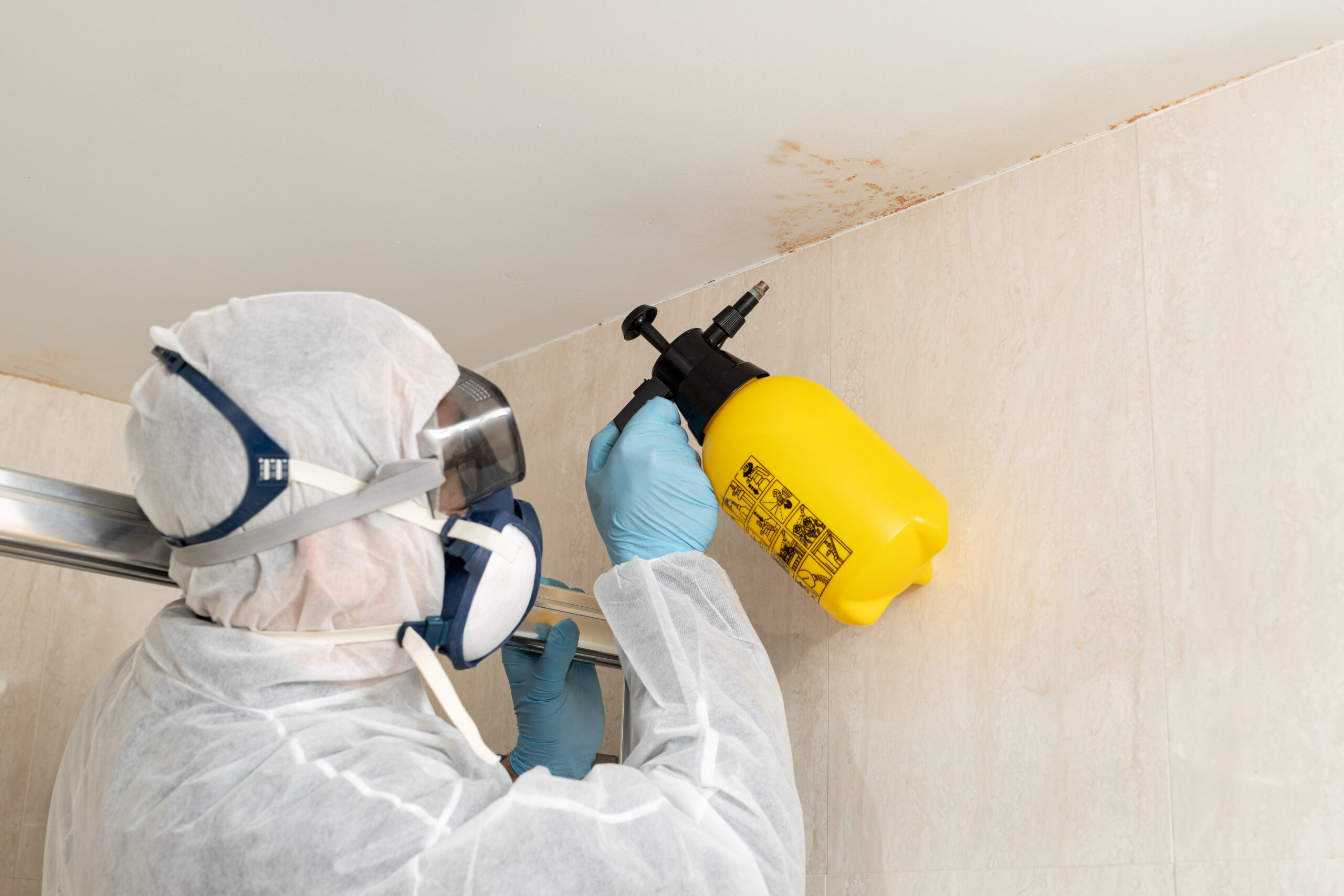
A proper mold remediation guide helps homeowners protect their health and indoor spaces from hidden contamination. Mold growth affects walls, ceilings, insulation, and HVAC systems inside residential properties. Environmental reports from indoor health agencies show that indoor mold exposure affects nearly 50% of buildings that experience moisture problems. Safe air quality becomes important for homes, landlords, and property buyers across Los Angeles and the surrounding California areas.
CA Mold Inspection supports residential and commercial property evaluations through mold detection and air quality solutions. Proper action reduces indoor contamination and protects long-term property value.
Mold Inspection Benefits For Healthy Indoor Spaces
A professional mold inspection helps identify moisture sources and hidden mold growth. Property owners often miss contamination behind drywall or beneath flooring surfaces.
Research from housing health studies shows that nearly 70% of hidden mold problems start from unnoticed moisture exposure.
Common inspection areas include
- Drywall surfaces
- Ceiling spaces
- HVAC systems
- Window frames
- Crawl spaces
- Attic areas
Property owners often notice odor changes before visible mold signs appear.
Indoor Air Quality Impact From Mold Exposure
Poor indoor air quality affects comfort and health inside homes and commercial properties. Mold spores travel through air systems and settle in multiple rooms. Indoor environment reports show that contaminated air contributes to respiratory irritation and allergy symptoms in many households.
Common warning signs include
- Musty odors
- Sneezing symptoms
- Eye irritation
- Surface discoloration
- Increased allergy reactions
Example situations often include bathrooms, kitchens, and basements where excess moisture remains trapped.
Moisture Control Strategies For Mold Prevention
Strong moisture control helps reduce mold growth risks inside buildings. Water leaks and humidity create ideal conditions for contamination. Humidity studies show that mold develops quickly when indoor moisture levels remain above 60%.
Helpful prevention steps include
- Roof leak repair
- Plumbing inspections
- Exhaust fan use
- Air circulation support
- Humidity monitoring
- Window seal checks
Property owners benefit from early prevention rather than expensive restoration work.
Mold Remediation Process Steps For Property Safety
The mold remediation process follows a structured approach that removes contamination and controls spread into clean areas.
Standard remediation stages include
- Contamination assessment
- Moisture source identification
- Isolation barriers
- HEPA filtration setup
- Surface treatment
- Air quality confirmation
Industry studies show that proper containment procedures reduce spore movement by nearly 90% during treatment work. CA Mold Inspection supports professional evaluation through our services for air testing and mold detection.
Mold Remediation Guide For Different Residential Areas
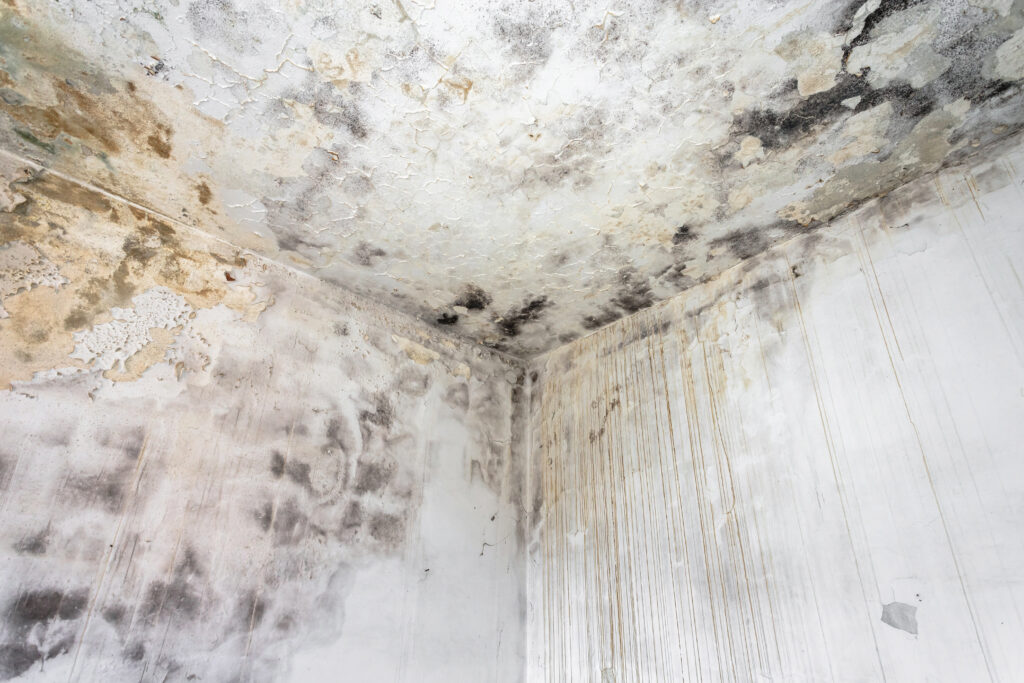
A complete mold remediation guide supports treatment decisions across multiple home spaces. Different locations require different solutions.
Bathroom Mold Risk Areas
Bathrooms create high-humidity conditions.
Common bathroom concerns include
- Shower walls
- Tile grout joints
- Sink cabinets
- Ceiling corners
Basement Mold Risk Areas
Basements trap moisture and poor airflow.
Common basement concerns include
- Foundation walls
- Storage spaces
- Carpet materials
- Water pipe zones
Attic Mold Risk Areas
Attics often develop mold from ventilation problems.
Common attic concerns include
- Roof sheathing
- Insulation materials
- Vent openings
Mold Remediation Guide Cost Factors
A complete mold remediation guide should include cost expectations for homeowners and businesses.
Average project estimates appear below.
| Service Type | Average Cost Range |
| Basic Mold Inspection | $250–$600 |
| Air Quality Testing | $300–$700 |
| Small Area Remediation | $500–$1,500 |
| Large Area Remediation | $2,000–$6,000+ |
Property size and contamination level affect the final project cost.
Homeowner Tips For Better Indoor Air Quality
Simple prevention steps improve long-term air quality.
Helpful maintenance tips include
- Maintain indoor humidity below 60%
- Repair leaks quickly
- Clean HVAC filters regularly
- Check attic ventilation
- Monitor bathroom moisture
Research from indoor environmental studies shows that proper moisture management reduces mold growth risk by nearly 60%.
Professional Mold Detection Support For Property Owners
A complete mold remediation guide becomes more effective when hidden contamination receives proper evaluation.
CA Mold Inspection provides inspection and testing support through our services for residential and commercial spaces. Contact us for professional mold detection support.
Frequently Asked Questions
What Is Mold Remediation?
Mold remediation removes mold contamination and addresses moisture sources inside buildings.
How Long Does Mold Remediation Take?
Small projects may take one to three days. Larger projects can require several days.
Does Mold Affect Indoor Air Quality?
Yes. Mold spores reduce indoor air quality and can trigger allergy symptoms.
Can Mold Grow Behind Walls?
Yes. Hidden moisture often supports mold growth inside wall cavities.
Does Moisture Cause Mold Growth?
Yes. Excess moisture creates conditions that support mold development.
Is Mold Inspection Necessary Before Property Purchase?
Yes. Property buyers often use inspections to identify hidden contamination.
Can HVAC Systems Spread Mold Spores?
Yes. Air systems can move spores into multiple rooms.